What Are the Best Treatments for Sleep Apnoea?
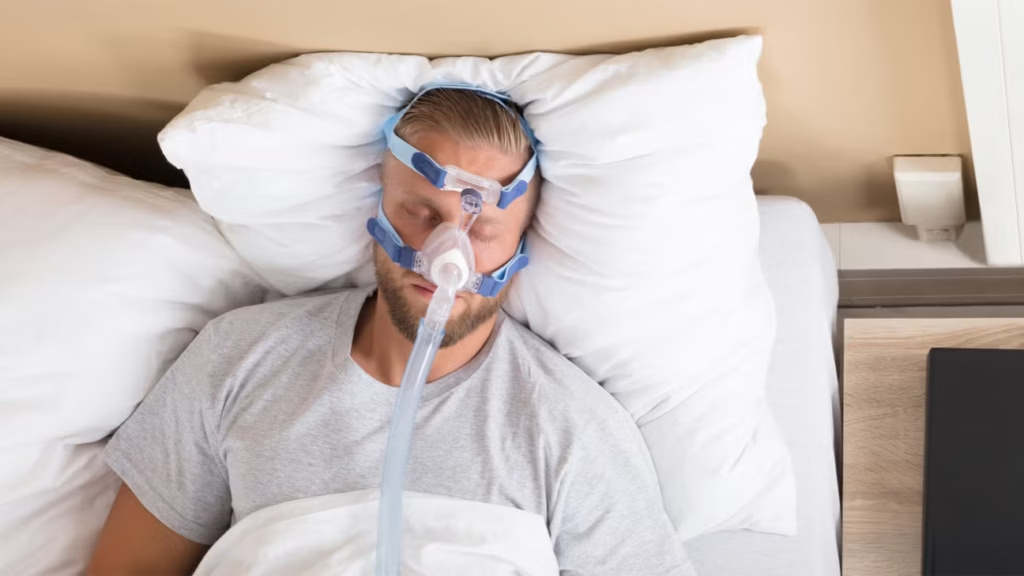
The best treatments for sleep apnoea are those that keep the airway open during sleep and prevent breathing from stopping. Treatment is chosen based on how severe the condition is and what is causing the airway to collapse.
Sleep apnoea is treatable, but effective treatment depends on proper diagnosis rather than self-management.
For specialist sleep apnoea treatment in London, speak with our clinical team on 020 3813 0733 or 020 3423 7665 to explore assessment and treatment options.
What Are the Main Treatments for Sleep Apnoea?
The main treatments for sleep apnoea include CPAP therapy, oral appliances, lifestyle changes, and surgery in selected cases.
Each option works in a different way to prevent airway collapse and maintain oxygen levels during sleep.
Common Sleep Apnoea Treatments Compared
| Treatment | Best For | Effectiveness |
|---|---|---|
| Lifestyle changes | Mild sleep apnoea | Mild to moderate |
| Oral appliances | Mild to moderate OSA | Moderate to high |
| CPAP therapy | Moderate to severe OSA | High |
| Positional therapy | Back-related apnoea | Moderate |
| Surgery | Selected anatomical cases | Variable |
This comparison shows why treatment must be tailored rather than chosen at random.
Can Lifestyle Changes Treat Sleep Apnoea?
Lifestyle changes can help treat mild sleep apnoea but are rarely enough on their own. They are most effective when symptoms are position-related or linked to weight and alcohol use.
Weight loss can reduce pressure around the airway, while reducing alcohol intake limits muscle relaxation during sleep. Changing sleep position, particularly avoiding sleeping on the back, may also reduce airway collapse. However, lifestyle changes alone do not reliably treat moderate or severe sleep apnoea.
How Does CPAP Treat Sleep Apnoea?
CPAP treats sleep apnoea by preventing the airway from collapsing during sleep. It uses continuous air pressure to keep breathing uninterrupted.
A CPAP machine delivers pressurised air through a mask worn overnight. This stops repeated breathing pauses, improves oxygen levels, and restores normal sleep patterns. CPAP is considered the most effective treatment for moderate to severe obstructive sleep apnoea when used consistently.

Do Oral Appliances Work for Sleep Apnoea?
Oral appliances work for sleep apnoea by repositioning the jaw or tongue to keep the airway open. They are most effective for mild to moderate obstructive sleep apnoea.
These custom-made devices are fitted after assessment and are worn during sleep. Oral appliances are often used when CPAP is not tolerated or when jaw position is a contributing factor. They are not suitable for all cases but can provide good results when correctly prescribed.
When Is Surgery Used to Treat Sleep Apnoea?
Surgery is used to treat sleep apnoea only when other treatments are unsuitable or ineffective. It is recommended only when a clear anatomical obstruction has been identified.
Surgical procedures aim to widen the airway or reduce tissue collapse. Outcomes vary depending on anatomy and procedure type, which is why surgery is not considered a first-line treatment for most people with sleep apnoea.
How Do You Know Which Sleep Apnoea Treatment Is Right?
The right sleep apnoea treatment is chosen after a sleep study and airway assessment.
Treatment decisions are based on severity, anatomy, symptoms, and tolerance of different options.
Sleep testing confirms how often breathing stops and how oxygen levels are affected. This allows treatment to be matched to the cause of the condition rather than symptoms alone, leading to better long-term outcomes.
For specialist sleep apnoea treatment in London, speak with our clinical team on 020 3813 0733 or 020 3423 7665 to explore assessment and treatment options.